

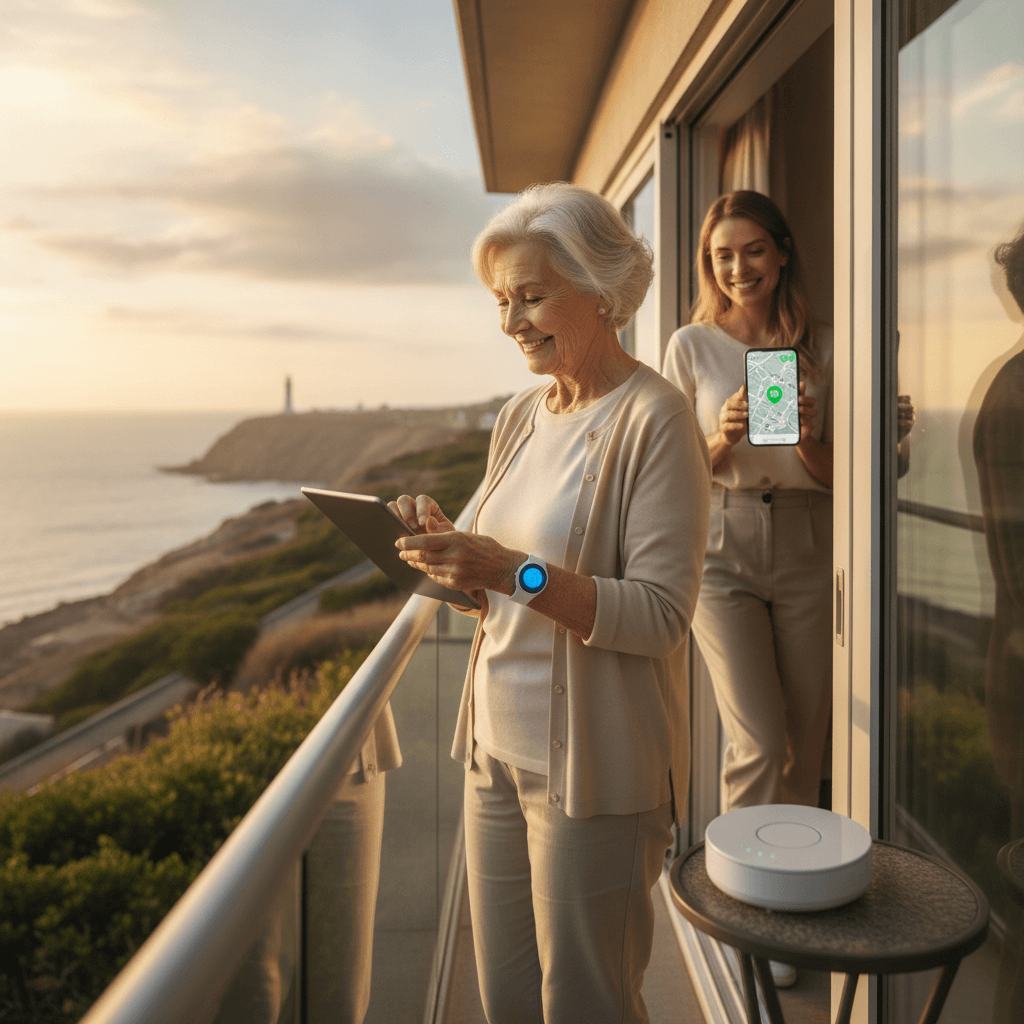
Living a full and independent life is a wish many seniors hold dear. We all want to stay active, connected, and safe in our homes for as long as possible. As I have observed the many ways technology helps people, I see a clear path for older adults to maintain their freedom. Modern alert systems are changing how we think about senior living.
These systems offer more than just emergency help. They provide a new layer of security and peace of mind for both seniors and their families. I believe understanding these tools can empower countless individuals. It allows them to continue enjoying their independence without constant worry.
My goal is to share insights into how these simple yet powerful devices can make a real difference. We can help seniors feel secure and stay in charge of their lives by embracing these innovations. This is about living life on your own terms with smart support readily available.
Unlock Senior Independence with Modern Alert Systems
Modern alert systems are powerful tools for seniors today. They help older adults stay safe and independent at home. These systems have come a long way from simple emergency buttons. Now they offer a wide range of features designed to support various needs.
I have seen firsthand how these systems make a difference in many lives. They provide a sense of security that was not possible before. Many families worry about their aging loved ones falling or needing help when alone. These concerns often limit a senior’s desire for independence. But new technology offers solutions that address these worries directly.
We are living in a time where technology can truly enhance daily living. It helps people of all ages enjoy greater freedom. For seniors, this means keeping their cherished routines and home environments. It also means feeling confident that help is always within reach if needed.
The Evolution of Senior Safety Technology
In the past, senior alert systems usually meant a basic pendant with a button. This button connected to a call center in an emergency. These early devices were helpful for sure. But they often lacked advanced features or flexibility.
Today’s alert systems are far more sophisticated. They use GPS, Wi-Fi, and cellular networks to provide constant coverage. This means seniors can receive help whether they are at home or out and about. I consider this a major step forward for personal safety.
The shift towards smarter, more integrated devices has opened new possibilities. It helps seniors live more autonomously. These innovations allow older adults to participate fully in their communities. They can feel secure no matter where their day takes them.
Understanding Modern Alert System Features
Modern senior alert systems come with a variety of features that cater to different lifestyles. I find it important to know what each feature offers. This way you can choose the best system for yourself or a loved one. Each component works to enhance safety and autonomy.
Some systems offer advanced fall detection. Others provide constant health monitoring. The right combination of features can greatly improve daily life. It brings peace of mind to everyone involved. I always suggest looking at all options carefully.
These systems are designed to be user-friendly. They often have intuitive interfaces and clear instructions. This makes them easy for seniors to use and understand. Many of the newer models are also discreet and stylish. They blend seamlessly into everyday wear or home decor. Understanding these advanced features is key to enjoying all the senior alert system benefits available today.
GPS Tracking and Geofencing for Enhanced Security
GPS tracking is a game-changer for active seniors. It allows family members or caregivers to locate a device user quickly in an emergency. This feature is especially useful if someone wanders or gets lost outside the home. I have heard many stories where GPS saved precious time in critical situations.
Geofencing works with GPS to set virtual boundaries. When a senior with the device leaves a designated safe area, an alert is sent. This can be a home, a neighborhood, or even a local park. It provides an extra layer of protection for those who might be prone to disorientation.
These features help caregivers supervise from a distance. They respect the senior’s desire for freedom. It is a balance of independence and safety that these modern systems provide so well. I believe this technology greatly reduces anxiety for families.
Fall Detection and Automatic Alerts
Falls are a common concern for older adults. Many modern alert systems now include automatic fall detection. These systems use sensors to identify sudden changes in movement. They can tell when a person has fallen.
If a fall is detected, the system automatically sends an alert to a monitoring center or designated contacts. This happens even if the senior cannot press a button. Prompt medical attention after a fall can prevent further injury or complications. I know this feature brings immense relief to many families.
This automated response is critical when time is of the essence. It ensures help is on the way without delay. I have learned that quick assistance can significantly improve recovery outcomes. It also helps seniors regain confidence after an incident.
Choosing the Right System for Your Needs
Selecting the perfect senior alert system can feel overwhelming given the many choices. I always advise individuals and families to think about specific needs. Consider the senior’s lifestyle, health conditions, and daily routines. This careful thought ensures the chosen system truly supports their independence.
Think about where the senior spends most of their time. Do they prefer to stay at home or are they often out and about? Are there specific health concerns that require constant monitoring? Answering these questions can narrow down the options considerably. It leads to a more informed decision.
Assessing Lifestyle and Mobility
A senior who is mostly homebound might benefit from a simple in-home system. These often connect to a landline or home Wi-Fi. They usually have a longer range within the house.
For active seniors who enjoy going out, a mobile system with GPS is a better fit. These devices are usually small and wearable. They offer protection wherever they go. I encourage seniors to pick a system that matches how they live. This way they will use it consistently and effectively.
Consider ease of use as well. A system that is too complex might not be adopted. Look for clear buttons, audible alerts, and simple charging methods. The goal is to make safety effortless.
Considering Connectivity Options
Alert systems connect in different ways. Some use a landline, which is reliable but limits mobility. Others use cellular service, offering more freedom. Many newer models connect via Wi-Fi or have built-in cellular service.
Mobile systems often have their own cellular connection. This means they work anywhere there is cell service. They do not need a smartphone or a home base. I recommend cellular options for seniors who want to stay active outside their homes. It gives them confidence to move freely.
Battery life is another important factor for mobile devices. Look for systems with long-lasting batteries. Also check how easy they are to recharge. A dead battery defeats the purpose of an alert system.
Integrating Alert Systems into Daily Life
Bringing a modern alert system into a senior’s life means more than just wearing a device. It involves making it a natural part of their daily routine. I have found that acceptance and comfort are key to successful integration. The system should feel like a helpful friend, not a burden.
Start by introducing the system gradually. Explain its benefits clearly and patiently. Let the senior explore the device and ask questions. Practicing how to use it in non-emergency situations can build confidence. This helps them feel prepared for any real need.
Personalizing settings also makes a big difference. Many systems allow for custom contacts and alert preferences. Tailoring these settings ensures the system works best for the individual. I always say that when a tool fits seamlessly, it becomes truly invaluable.
Peace of Mind for Families and Caregivers
Modern alert systems offer significant benefits beyond just the senior using them. They also provide immense peace of mind for family members and caregivers. Knowing that a loved one has instant access to help greatly reduces stress and worry. I often see this as one of the most powerful aspects of these technologies.
Families can rest easier, knowing there is a safety net in place. This allows them to focus on their own lives and responsibilities without constant apprehension. It also strengthens the bond within the family by showing a commitment to safety and well-being. This technology supports the entire family unit.
For caregivers, these systems mean fewer sleepless nights and less overwhelming concern. They provide real-time updates and emergency notifications. This enables caregivers to respond quickly when needed. I truly believe these systems are a win-win for everyone involved.
Embracing Technology for a Fuller Life
Empowering seniors to live independently is a goal we can all support. Modern alert systems are more than just gadgets. They are vital tools that offer freedom, dignity, and a strong sense of security. I believe that by understanding and choosing the right system, we can help our older adults maintain their cherished independence for many years.
These systems bridge the gap between needing support and living autonomously. They provide an invisible safety net that is always active and ready. Families gain reassurance, and seniors keep their cherished routines. This is about enhancing life quality through thoughtful innovation.
I encourage everyone to explore the options available today. Talk with your loved ones about their needs and preferences. Research different models and features. Finding the perfect fit can make a profound difference in a senior’s life. It can truly make them feel safer and more connected. Embrace these technologies and help seniors continue to thrive in their homes and communities.